Lifestyle Berries
In this guide
You leave home for coffee and return with library books, a market purchase, a damp umbrella, and a receipt you cannot find when you need it. An open tote is wonderfully flexible, but flexibility can turn into a deep pile. A small amount of organization helps; a bag filled with nested organizers often creates a different kind of clutter.
Empty your current bag before shopping
Put every item on a table. Separate daily essentials from occasional items and objects that belong elsewhere. Count duplicates: several pens, old shopping lists, and spare chargers can add weight without solving a new problem. Set aside anything you are carrying out of habit rather than need.
Choose a realistic weekend load. For an ordinary afternoon, that might mean a wallet, keys, phone, bottle, light layer, small pouch, and folded shopping bag. A laptop changes the requirements considerably; it may deserve a protected compartment or a separate bag. Do not choose a tote for an imaginary maximum load and then carry that oversized bag everywhere.
Give the bag three simple zones
Keep valuables in one secure place, small essentials together, and the flexible main space available for the day's plans. An interior zip pocket can hold a wallet without another pouch. A short key leash can prevent a hunt at your front door. A tiny pouch makes sense for items such as lip balm, medication carried according to its storage directions, and a small charging cable.
Keep anything that can leak separate from paper and electronics. A bottle pocket is helpful only if it actually grips your bottle. Check its depth and diameter. A closed umbrella sleeve or separate bag can keep damp fabric away from a book until you can dry it properly at home.
Compare the structure before the style
| Feature | Worth considering for | Possible drawback |
|---|---|---|
| Zip closure | Public transport and crowded places | Can limit access to bulky items |
| Structured base | Books and upright containers | Adds empty weight |
| Wide shoulder straps | Heavier everyday loads | Fit varies with clothing and shoulder shape |
| Washable fabric | Markets and frequent floor contact | May need careful drying to retain shape |
Read the bag's dimensions and strap drop. A tote that fits over a thin summer shirt may be uncomfortable over a winter coat. If possible, try it with a load resembling yours and check that the straps do not dig in. A stylish narrow handle can become irritating when several books pull against it.
Use an organizer only for a specific problem
A removable insert can help someone who switches bags frequently or needs upright compartments. It also adds another lining, seams, and empty weight. Measure the insert against the narrowest interior part of the tote, not its exterior width. Check whether it leaves enough space to close the bag normally.
Before buying one, try a week with a single existing pouch and a fixed key position. If the bag remains easy to navigate, you have already solved the problem. If your essentials repeatedly fall over or disappear beneath groceries, an insert may earn its place. Avoid buying additional containers merely because empty compartments look satisfyingly tidy.
Keep the load comfortable
Put dense items low and near the side closest to your body. A bottle carried at the very edge can twist a soft tote. Our everyday bottle guide explains why a smaller refillable bottle can be more pleasant than carrying extra capacity all day. For repeated heavy loads, compare a backpack or another carrying style rather than trying to organize away the weight.
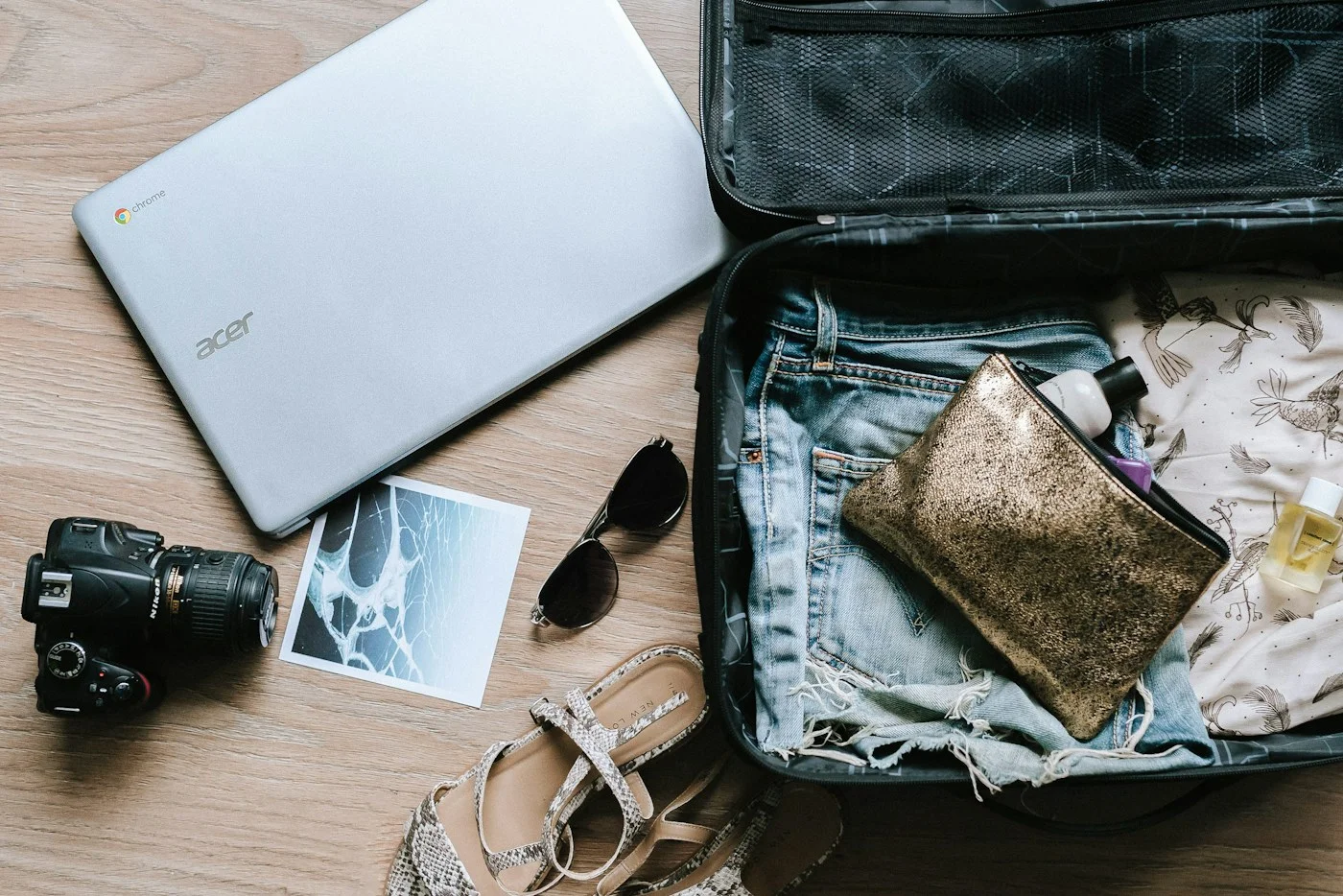
When traveling, keep the tote's quick-access essentials separate from the clothes in your main bag. Our carry-on cube guide uses the same principle: containers should identify a useful group and reduce rummaging. They should not make every small object require its own zipper.
A two-minute reset after the outing
Remove receipts and food packaging, put purchases away, and empty anything damp. Return the pouch, wallet, and keys to their usual places only after checking that the lining is dry. Clean the bag according to its label. A weekly reset is easier when the default load is small enough to see at a glance.
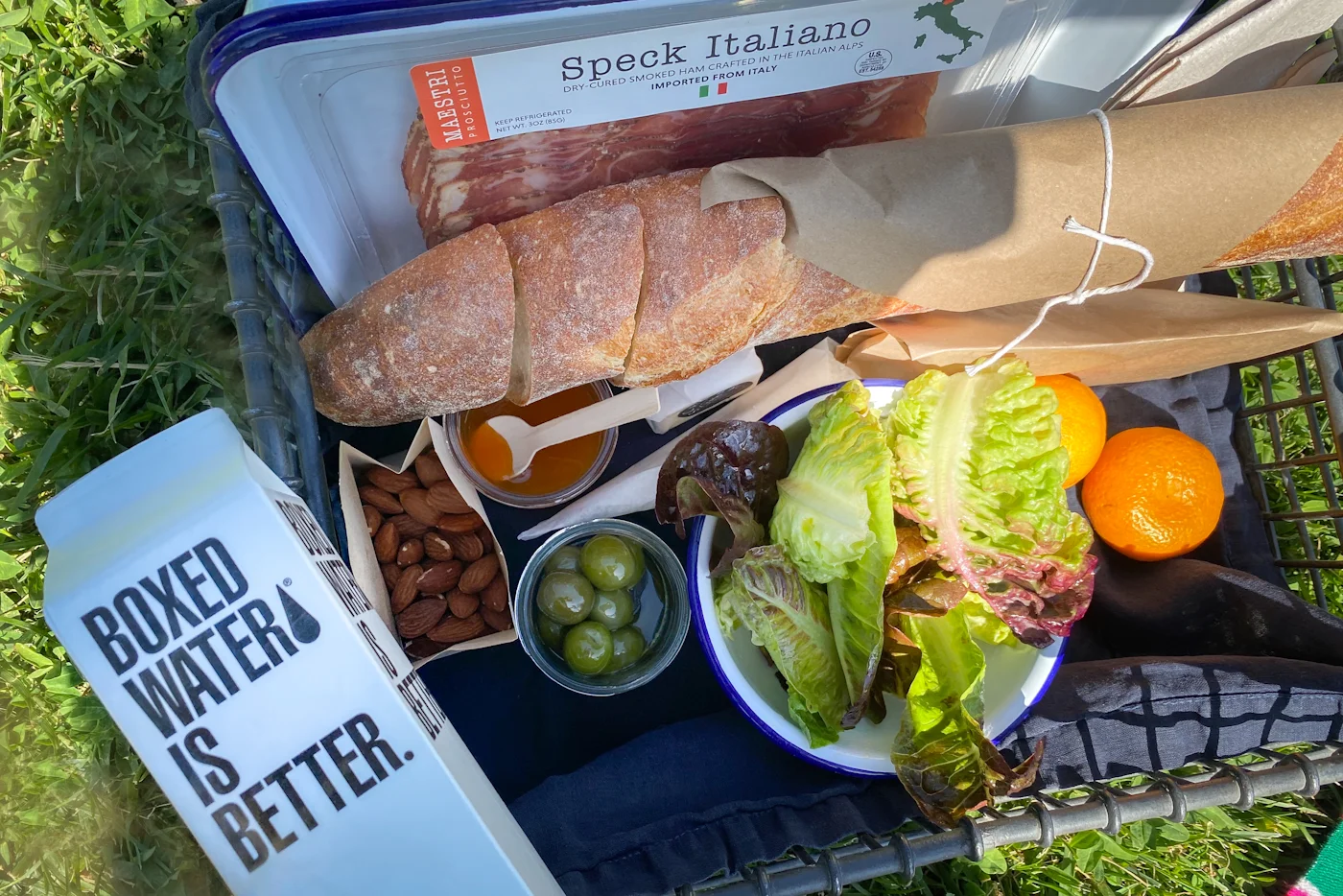
Keep a separate folded shopping bag for market purchases so produce does not crowd your personal items. On picnic days, carry temperature-sensitive food in a suitable cooler; our small picnic checklist covers that distinction. A pretty tote does not provide insulation simply because lunch fits inside it.
Spend and skip
Spend on comfortable straps, secure stitching, and a closure that matches your travel habits. Skip elaborate sets of matching pouches until a repeated need appears. Consider repairing a loose seam or replacing a worn pouch first. The most useful tote is the one that carries your usual day comfortably and becomes easy to reset afterward.
Common questions
Is an open tote a bad choice?
It can be convenient for visible, bulky purchases. Consider a secure pocket or closure for valuables and stay aware of your surroundings. Choose access and security features appropriate to your routes.
How many pouches do I need?
Start with one. Add another only when you can name a separate job, such as keeping damp items apart. If you repeatedly forget which pouch holds an object, reduce the system.
Have a correction or a question about this guide? Contact the editorial desk.