Lifestyle Berries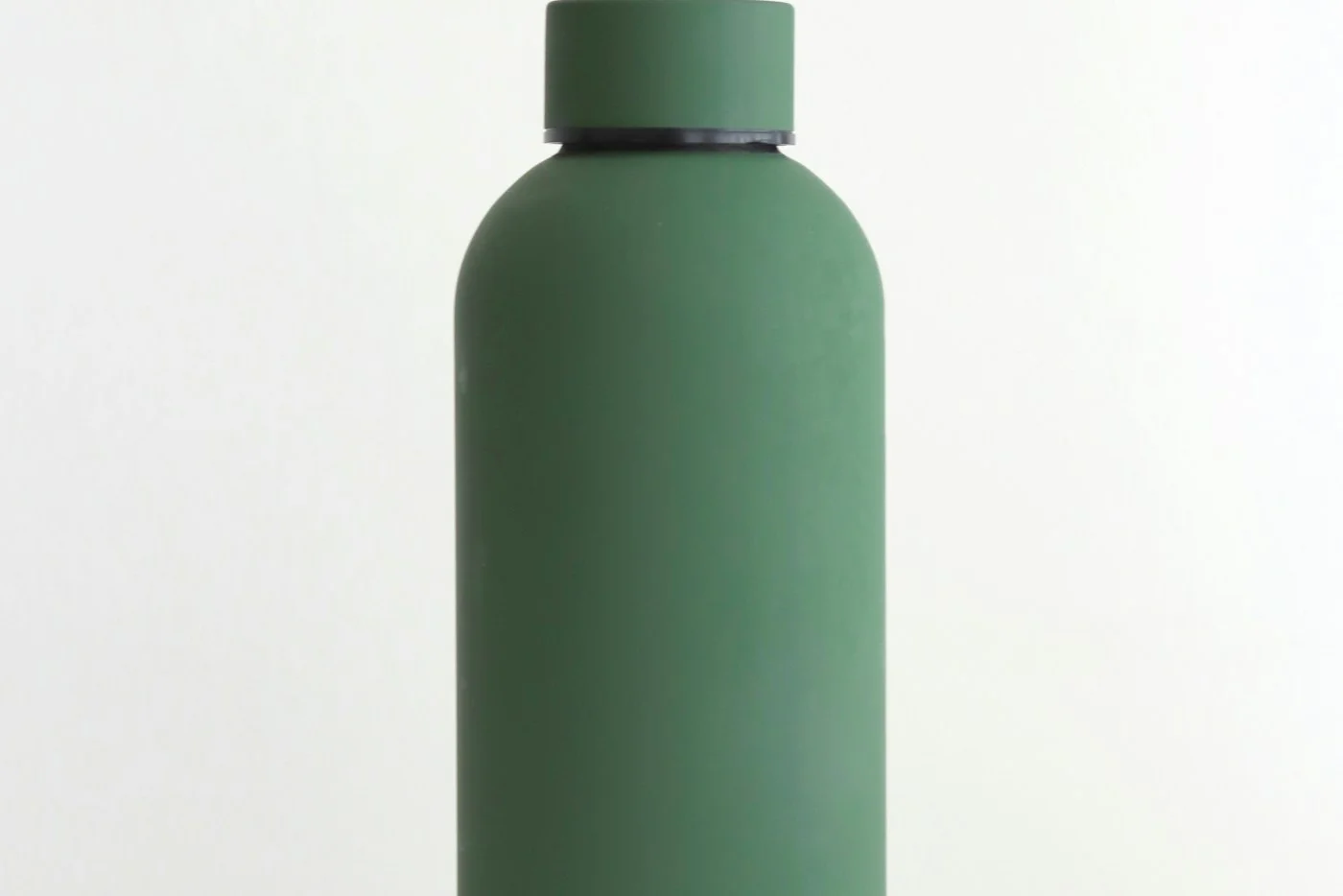
In this guide
Your morning begins with a short walk to the bus, a crowded commute, and a desk that already holds a laptop and a coffee cup. The biggest water bottle on the shelf may be the least useful companion. A good everyday bottle suits the places you refill it, the way you drink, and the time you will spend washing its lid.
Start with the route, not a capacity target
Write down your usual day: home, commute, desk, errands, and home again. Note where drinking water is reliably available. Frequent refills make a smaller bottle practical. A longer outing without a refill point may justify more capacity, provided the weight remains comfortable. This is a carrying decision, not a universal prescription for how much water you should drink.
Water adds roughly a gram per milliliter, so a full one-liter bottle brings about a kilogram of water before the bottle's own weight. Try lifting an equivalent load in your current bag. If it pulls one shoulder down, a smaller refillable bottle may suit your routine better. Our tote organization guide includes a way to keep a bottle upright and away from paper.
Decide whether insulation solves a real problem
| Material | Reason to consider it | Check before buying |
|---|---|---|
| Insulated stainless steel | You prefer cool drinks over a long day | Empty weight, opening size, lid instructions |
| Single-wall plastic | Low weight and visible fill level matter | Care guidance and suitability for intended drinks |
| Glass with a sleeve | Your bottle mainly stays at a desk | Breakage risk and whether the sleeve comes off |
Insulation adds bulk and cost. It is useful if temperature strongly affects whether you enjoy a drink, but unnecessary if you refill from a nearby tap several times a day. Avoid treating a brand's hour-based cooling claim as a promise for every weather condition, lid opening pattern, or starting temperature.
Give the lid more attention than the color
A screw cap has few parts and can be straightforward to inspect. A flip spout or straw lid may be easier to use at a desk, but can include valves, seals, and narrow passages. Before ordering, find the cleaning diagram. Could you remove and replace the gasket with your hands? Is a brush supplied, and are replacement parts available separately?
Check whether the manufacturer describes the exact lid as leakproof, and under which conditions. Some lids are intended only to resist splashes. A lid sold for cold water may not be suitable for hot drinks or carbonation. Do not infer safe use from the bottle material alone. Follow the instructions for the complete bottle-and-lid combination.
Check the fit in three places
Measure the narrowest part of your bag's bottle pocket, the opening of your car cup holder if you use one, and the space below your refill dispenser. Handles and wide bases can interfere even when the listed capacity looks ideal. A bottle you have to force into a pocket will make each commute more annoying.
Think about opening it with cold hands or during a busy lunch break. A comfortable carrying loop can be worthwhile for short walks. A tall narrow bottle may fit the bag but tip easily on a small table. There is no perfect geometry; choose the compromise that matches the place it spends the most time.
A simple ownership routine
Empty and clean your bottle regularly following its manufacturer's guidance. Take apart removable lid pieces as directed, wash them, rinse thoroughly, and allow everything to dry before reassembly. Dishwasher compatibility can differ between the body and cap. Do not leave a closed, damp bottle forgotten in a gym bag and assume a quick rinse addresses every hidden surface.
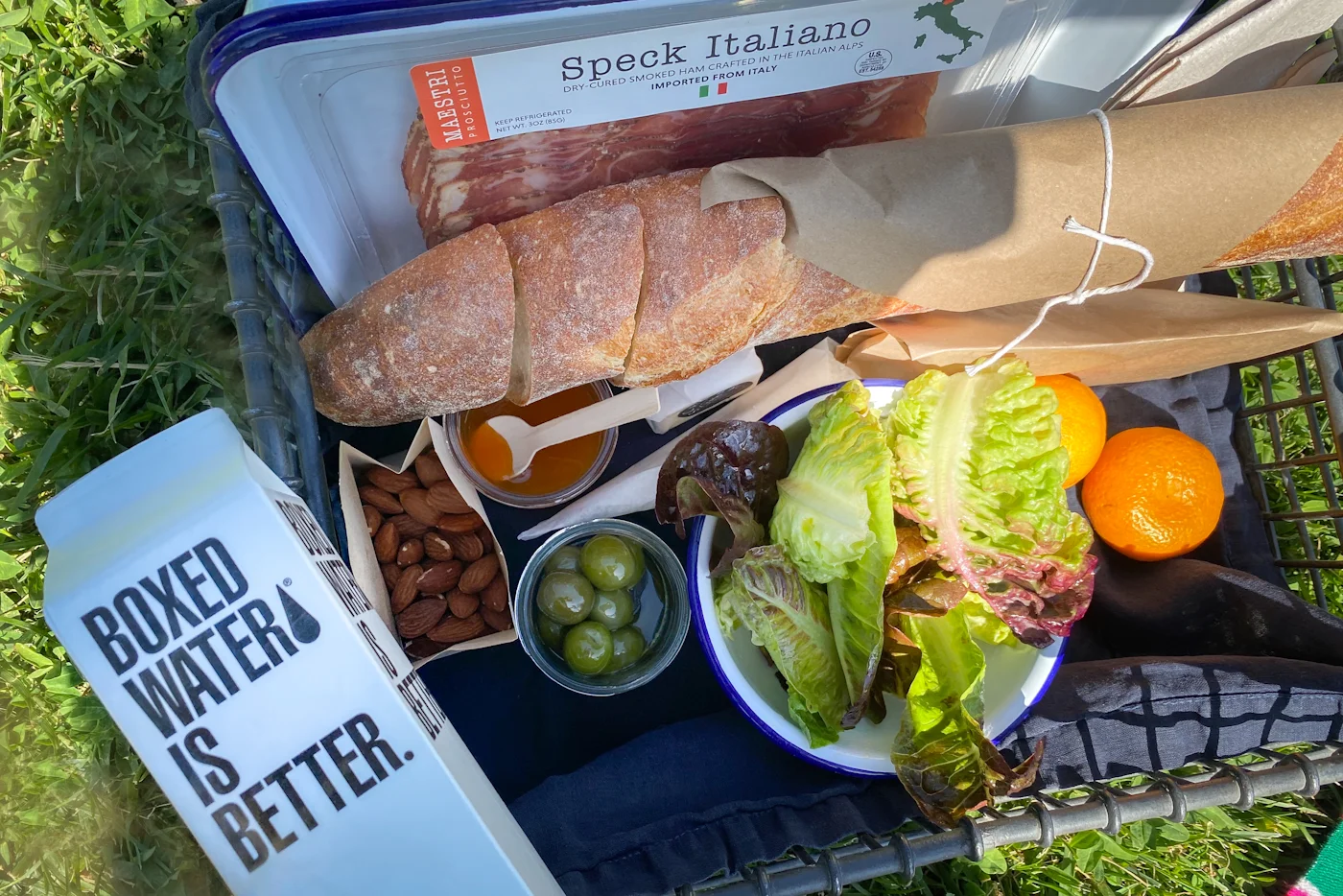
Keep a bottle brush only if your opening requires one. If you dislike detailed cleaning, buy a simpler lid instead of a complicated cleaning kit. For an outdoor lunch, pair your bottle with the food-carrying plan in our picnic kit for two.
Spend, skip, and compare
Spend on a comfortable lid, an appropriate opening, and accessible replacement seals. Skip oversized capacity purchased for appearance and premium finishes that will bother you when scratched. The best purchase might be a new lid for a bottle you already own. When comparing official listings, record total capacity, empty weight, diameter, cleaning requirements, and replacement-part availability in the same note.
Common questions
Is a straw lid always better?
It can encourage convenient sipping, but convenience includes cleaning. Choose it if you will maintain its small parts. A basic screw lid can be a better everyday fit for someone who wants a simpler routine.
Should I buy two?
Start with one that meets your main need. A second bottle earns its space only if a genuinely different situation, such as cycling or a long outdoor day, makes your everyday choice awkward.
Have a correction or a question about this guide? Contact the editorial desk.