Lifestyle Berries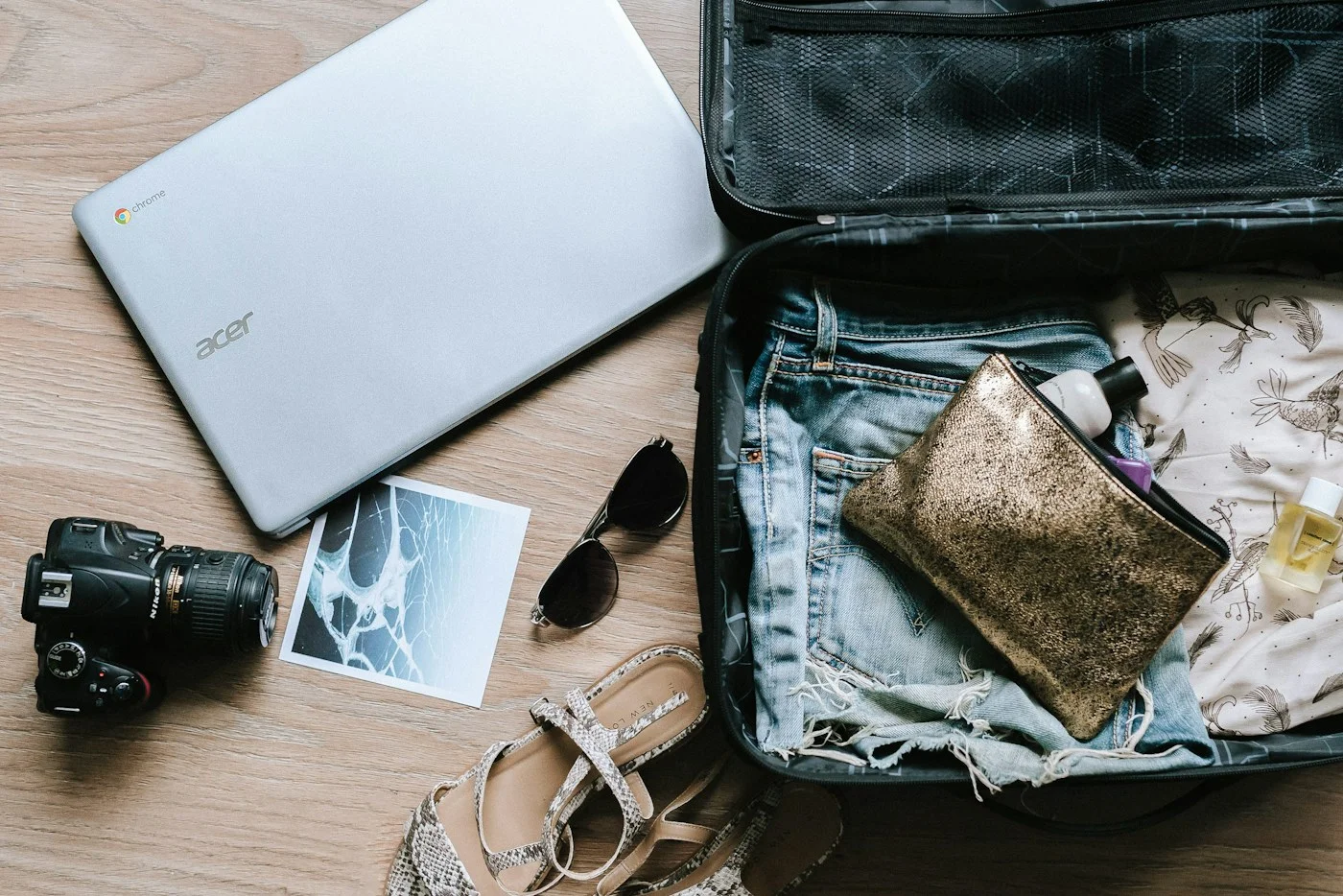
In this guide
It is Thursday evening, your train leaves after work tomorrow, and the open carry-on has become a pile of shirts, chargers, and shoes. Packing cubes can give that pile a useful structure. They cannot decide what you actually need, make an oversized bag compliant, or remove the weight of an extra sweater. Start by editing the contents; then give each remaining group a home.
Measure the space you really have
Measure the usable interior of your suitcase, including the depth above its handle rails. A manufacturer's exterior measurement is not the available packing space. Draw two or three rectangles on paper and lay them in the case. This simple exercise shows whether two medium cubes fit better than one enormous cube with awkward gaps around it.
For a three-night trip, begin with one cube for tops and bottoms, one smaller cube for underwear and socks, and a thin bag for laundry. Leave your jacket loose if it fills a gap more efficiently. A toiletries pouch should remain independently accessible. For the rest of your personal item, our weekend tote system keeps small essentials from migrating to the bottom.
Choose a construction for your packing style
| Style | Useful when | Tradeoff |
|---|---|---|
| Lightweight mesh cube | You want to recognize contents immediately | Mesh exposes contents and can snag |
| Opaque fabric cube | You unpack into shared spaces | You need a label or consistent arrangement |
| Compression cube | Soft clothing takes up excess volume | Extra zipper and denser bundles add complexity |
Compression can be useful for soft knitwear, but a tightly filled rectangle may fit poorly in a curved backpack. It also makes a bag heavier per inch of space. Never treat compression as a reason to skip your airline's current size and weight rules. Check every carrier on a connecting itinerary before buying luggage or organizers.
Inspect the details you will touch every trip
A zipper should open far enough that you can see the bottom layer without pulling everything out. Look for an easy-to-grasp pull and stitching that does not bunch at corners. A small handle helps you lift a cube from a hotel shelf; a thick handle and rigid frame may be unnecessary if the cube lives entirely inside a suitcase.
Check the stated washing instructions rather than assuming all travel fabric can go into a hot machine cycle. If you often travel with damp swimwear, use a separate suitable wet bag and dry everything promptly. An ordinary packing cube is not automatically waterproof, odorproof, or a safe long-term place for wet clothes.
Build one practice pack
Lay out complete outfits and repeat the same trousers when practical. Roll flexible pieces or fold them to the cube's width; neither method is a universal winner. Keep clothes smooth and stop before closing the zipper requires force. Pack shoes in a separate washable bag so soles do not share space with clean fabric.
- Place your first evening's outfit near the top.
- Use the smaller cube for the items you tend to misplace.
- Bring a lightweight laundry bag that expands as clean clothes disappear.
- Keep one modest empty space for the return journey.
Close the suitcase, lift it, and walk around your home. If it feels unpleasant before reaching the station, remove something. Include the water bottle you actually carry; our bottle buying guide explains why full weight matters more than a product's empty weight.
Where to spend and where to skip
Spend on reliable stitching and a zipper you can operate comfortably. Skip the largest bundle until you know which two sizes suit your case. A simple fabric pouch you already own may handle socks perfectly well. Matching colors are pleasant, but contrast can make small items easier to spot. Eagle Creek's packing-cube collection is one place to compare constructions; compare dimensions and care details rather than choosing from promotional photographs alone.
Common questions
Do cubes stop wrinkles?
They can hold a fold in place, but do not guarantee wrinkle-free clothing. Delicate fabrics may benefit from a garment folder or hanging promptly at your destination. Avoid crushing a carefully folded shirt under a dense shoe bag.
Should every object go in a cube?
No. A rain jacket, book, or sweater may use irregular spaces more effectively on its own. The goal is a bag you can pack and unpack calmly, with enough organization to help and few enough containers to remember.
Sources & further reading
Sources checked October 11, 2026. Retailer ranges, prices and care instructions can change; confirm details before buying. Photographs illustrate everyday settings and do not imply a pictured product was tested.
Have a correction or a question about this guide? Contact the editorial desk.