Lifestyle Berries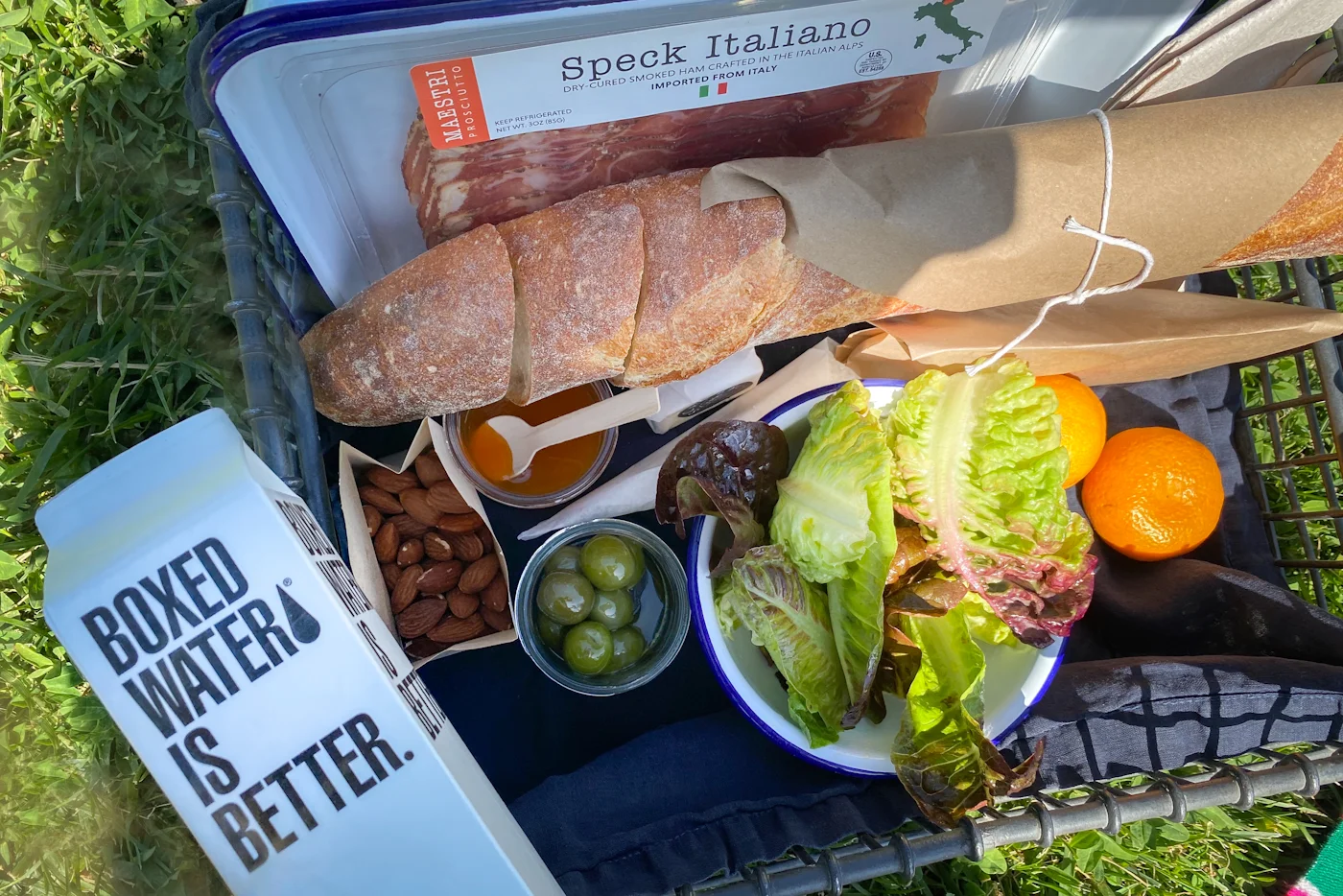
In this guide
A Saturday picnic sounds simple until you are carrying a basket, a blanket, two drinks, several bowls, and a bag of loose utensils down a crowded path. For two people, the most pleasant setup usually fits into one manageable cooler and a small bag. Plan the food first, then choose the equipment that keeps that particular lunch comfortable.
Choose a menu that travels without a performance
Think about what you can eat sitting on a blanket with one hand free. Sandwiches, whole fruit, sturdy crackers, and portions packed in individual containers can be easier than a complicated spread that requires chopping and assembly. Bring only the utensils your menu needs. A meal that depends on several serving dishes becomes more work on an uneven patch of ground.
Check your destination before packing glass, alcohol, a stove, or other restricted items. A picnic in a city park and a picnic beside a trail have different rules and carrying demands. Keep a bad-weather alternative in mind; equipment should not persuade you to ignore uncomfortable or unsafe conditions.
Make temperature the first equipment decision
Perishable food needs a plan for staying cold. FoodSafety.gov lists 40掳F (4掳C) as the cold-storage threshold and advises discarding many perishable foods after more than two hours above it. FDA advises a one-hour limit when the outdoor temperature exceeds 90°F (32°C). Keep cold food at or below 40°F (4°C), track time outside temperature control, and discard food that exceeds the applicable limit. A cooler is a tool, not a guarantee that food remains safe regardless of time and temperature.
Pack chilled food shortly before leaving, use adequate ice or frozen packs, and keep the cooler shaded and closed as much as practical. A small food thermometer can help assess conditions. Do not judge food safety by its smell or taste. If you cannot maintain safe conditions, choose foods that do not require chilling instead of guessing.
Build the kit around five jobs
| Job | Simple option | Useful buying detail |
|---|---|---|
| Carry cold food | Small cooler with frozen packs | Capacity after packs are inside |
| Sit comfortably | Washable blanket | Damp-ground backing and folded bulk |
| Eat | Two containers and needed utensils | Secure lids and easy washing |
| Drink | Two refillable bottles | Full weight and lid security |
| Leave cleanly | Trash bag and return bag | Separate wet or dirty items |
The usable cooler volume matters more than a label showing a number of cans. Your containers and ice packs have different shapes. Lay them out at home before buying. A boxy cooler may pack neatly but become awkward on a long walk; a soft cooler is often easier to store but needs support when loaded.
Pick a blanket for the ground you use
If your park grass is frequently damp, a water-resistant backing can be useful. Read the cleaning instructions for both sides: some fabrics tolerate machine washing, while others need a gentler approach. A beautiful pale blanket that requires elaborate spot cleaning may not suit muddy shoes and berry juice.
Check the actual dimensions with two people sitting and room for the food. Bigger is not automatically better when folded size fills half the bag. A carrying strap should hold the folded blanket securely without requiring several attempts. If you picnic rarely, start with a washable blanket you own and a suitable ground layer rather than buying a dedicated set.
Pack the return trip before leaving
Bring a small bag for used utensils and containers so they do not soil the blanket. Include napkins and a trash bag, and take all waste away if bins are unavailable or full. Avoid loose decorations that can blow into the grass. Put the items you need first near the top and keep heavy drinks low and balanced.
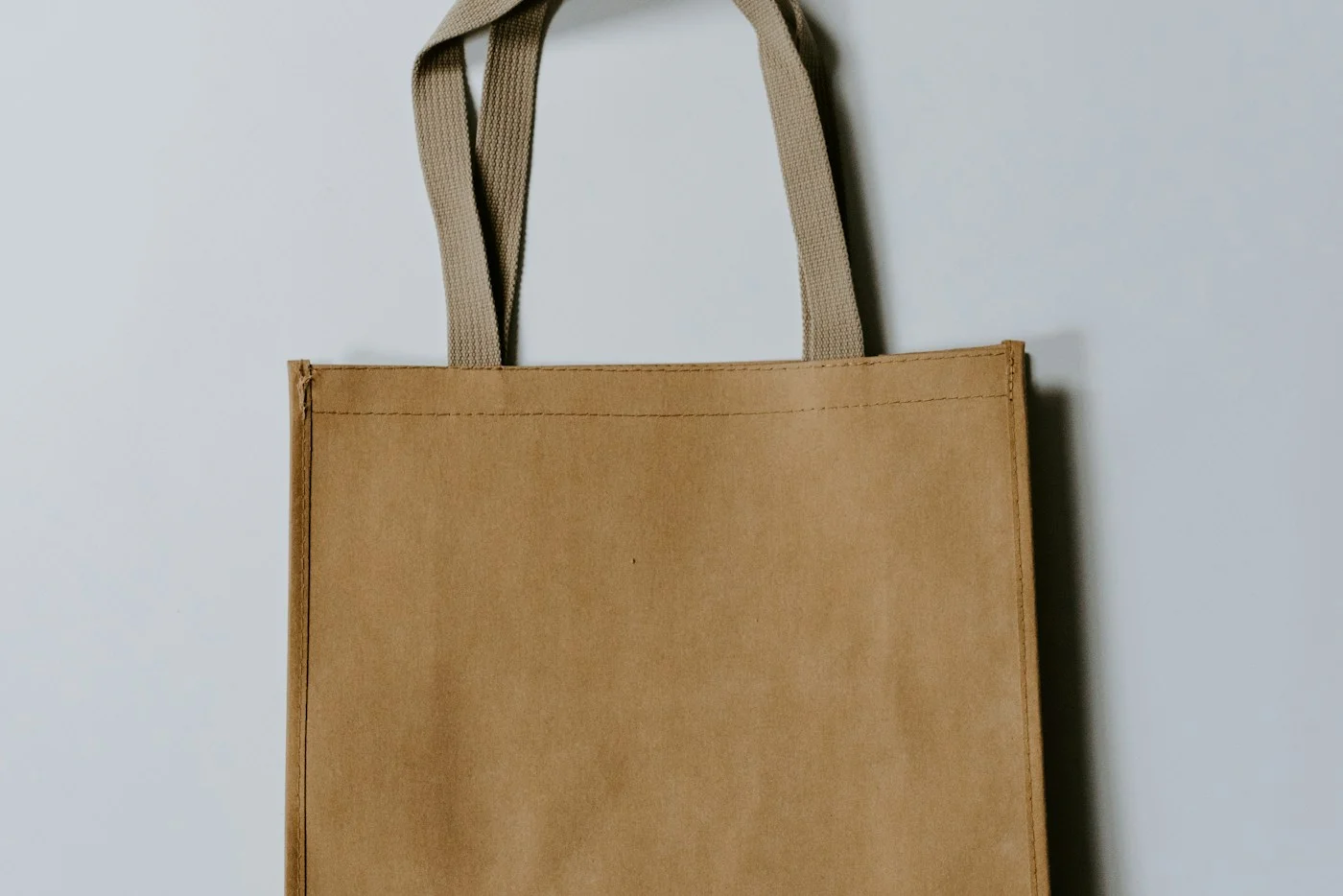
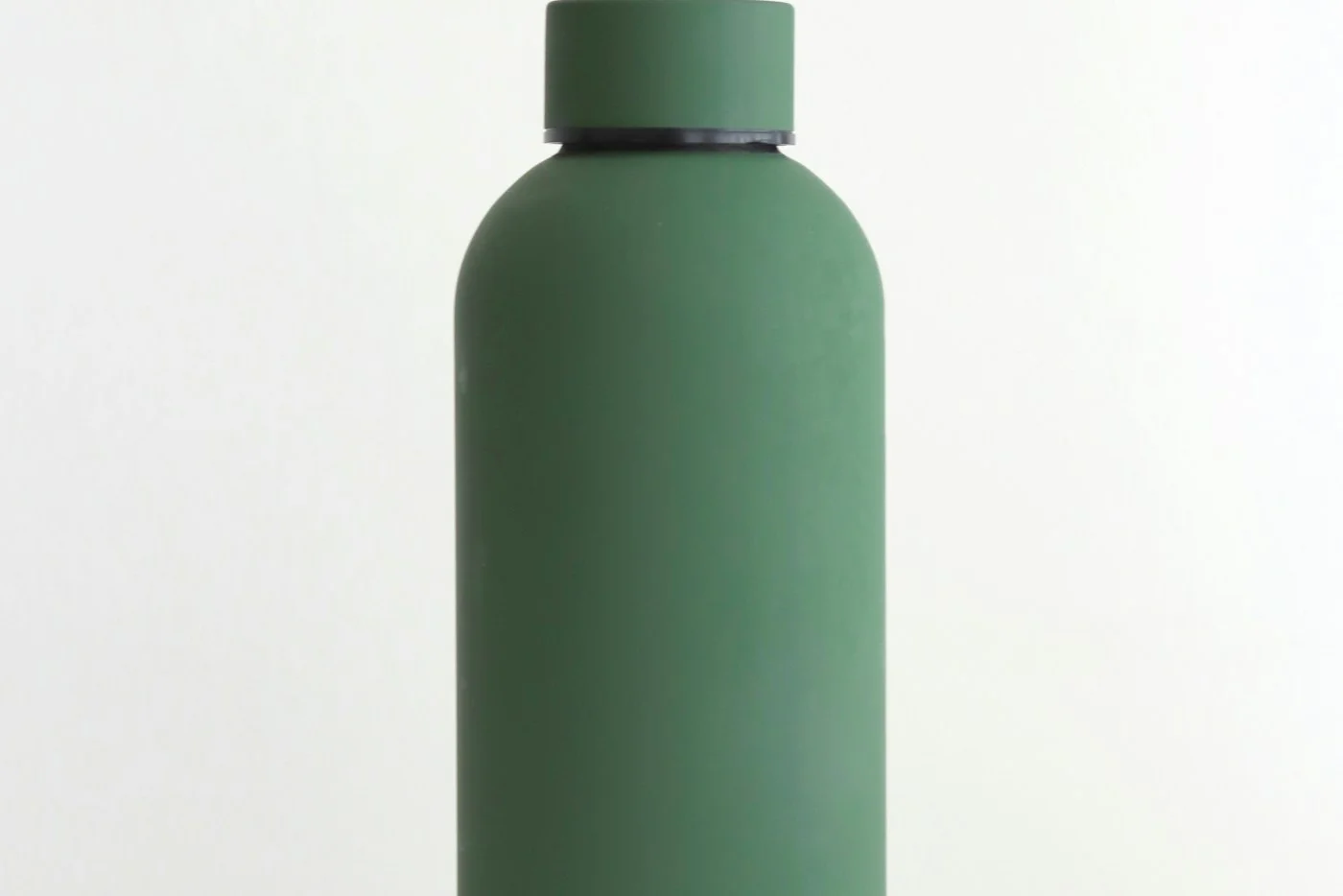
Our water bottle guide helps you compare capacity against carrying weight. For short city walks, the weekend tote routine can hold the blanket and clean accessories while the cooler handles food separately.
Spend where comfort improves
Spend on a cooler that fits your real food containers and a blanket you can clean. Skip matching plates if your lidded lunch containers already serve that purpose. Skip a bulky wicker basket unless its shape works for your transport. The total price is less useful than the likelihood that you will reach for the kit again next month.
Common questions
Do I need specialized picnic tableware?
No. Lightweight, reusable pieces you already own can work if they are suitable for your food and transport. Check venue restrictions and protect anything fragile. Buy replacements only when weight, breakage, or cleaning creates a repeated problem.
Can I leave leftovers in the cooler all afternoon?
Only if safe temperature conditions are maintained. Track time and temperature, follow official guidance, and discard food when uncertain. Finishing a smaller planned meal is often easier than carrying home questionable leftovers.
Sources & further reading
- FoodSafety.gov temperature and perishable-food guidance
- FDA: Handling food safely while eating outdoors
Sources checked October 11, 2026. Retailer ranges, prices and care instructions can change; confirm details before buying. Photographs illustrate everyday settings and do not imply a pictured product was tested.
Have a correction or a question about this guide? Contact the editorial desk.