Lifestyle Berries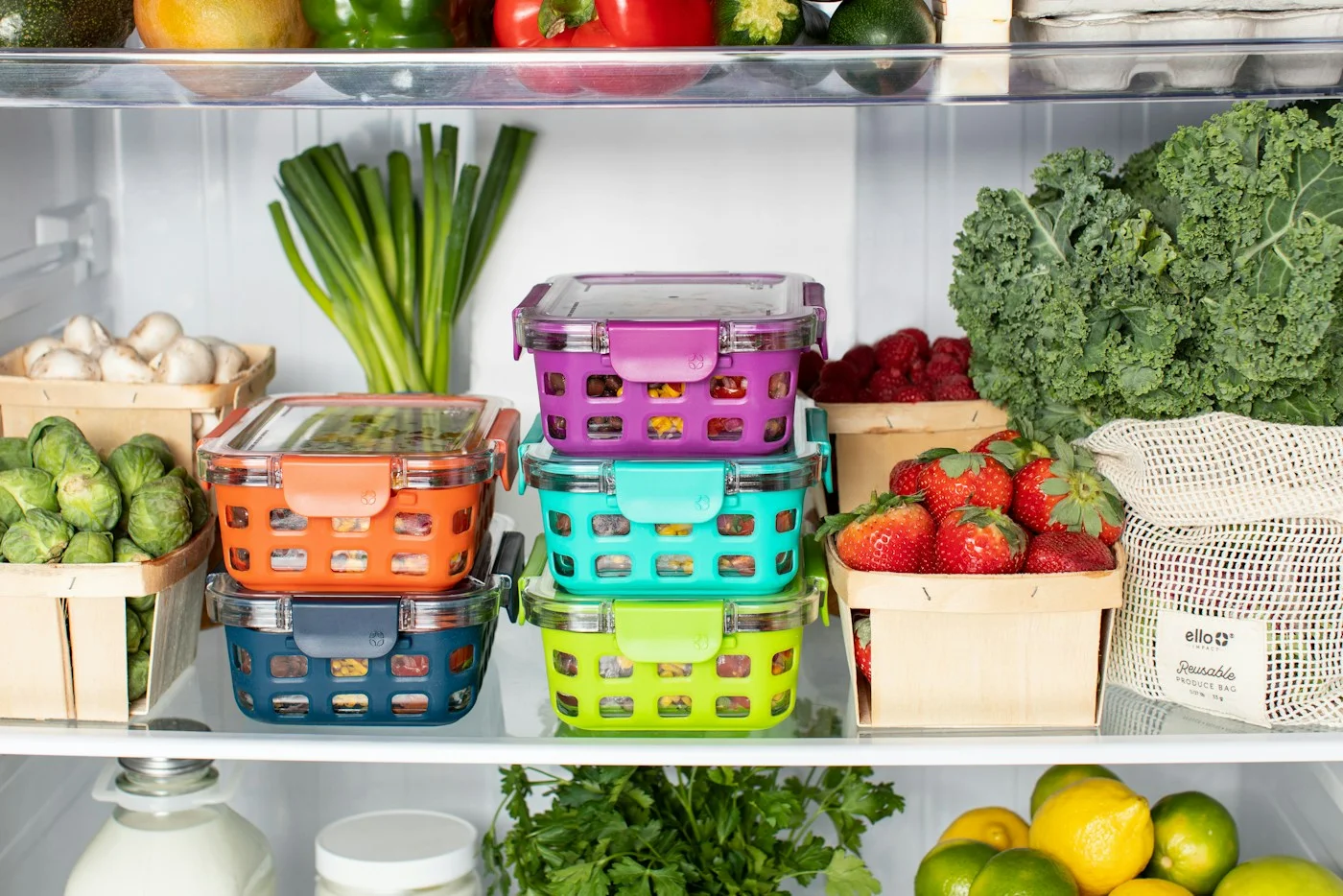
In this guide
A lunch kit has to work twice: on the way to work and on the way home with an empty container. The pretty bag that fits a sandwich may not fit a salad box upright, and the roomy bag that holds everything may be uncomfortable on a crowded train. Begin with the meal and journey rather than the color collection.
Lay out one ordinary lunch, a drink, any snacks and the cold sources you need. Measure this group before shopping. Think through the time between leaving home and reaching a refrigerator, including school drop-off, a delayed bus or a stop at the gym. Convenience and safe food handling belong in the same plan.
Choose the bag around the filled containers
Use internal dimensions when they are available. A bag's external measurements may include insulation, a curved lid or pockets that cannot hold your box. Check whether the opening is wide enough to lower a filled container without tilting it. If you carry soup or sauce, pay particular attention to keeping the container upright and to the lid's instructions.
Consider how you will carry everything else. A shoulder strap can be handy, but it might compete with a laptop bag. A compact lunch bag inside your regular backpack may be simpler. If you cycle, check that the bag fits securely within your existing carrying arrangement rather than dangling from handlebars.
Match the kit to the day
| Your situation | Prioritize | Tradeoff |
|---|---|---|
| Short walk to an office fridge | Easy packing and wipeable lining | Still plan for the journey |
| Several stops before lunch | Room for food and cold sources | Extra bulk and weight |
| Lunch in a backpack | Upright fit and reliable container closure | A narrow bag may limit meal shapes |
| Shared work refrigerator | Clearly labeled removable containers | The whole bag may take too much shelf space |
Insulation does not replace a cold plan
USDA FSIS recommends at least two cold sources with perishable foods in a lunch bag or box. Pack them with the food, rather than treating the bag itself as refrigeration. Refrigerate perishable food when you reach work if a refrigerator is available. Follow the agency's guidance for your food and circumstances; a bag's marketing claim is not a measurement of the food inside.
Keep reusable packs clean and inspect them for damage. Store them together in the freezer so you do not discover one unfrozen at the door. If carrying hot food in an insulated vessel, follow both the vessel directions and official hot-food guidance. Avoid improvising with a container designed only for cold meals.
Buy for cleaning, too
Look inside the bag for seams, corners and a lining that can be cleaned according to the care label. Ask where the bag will dry after a spill. A removable insert may help some households, while others prefer a simple open interior. Exterior fabric and carry straps also need attention if the bag regularly sits on public transport or the floor.
Choose containers with lids that everyone using the kit can open and close reliably. If a child needs assistance with stiff clips, a different design may be more practical. For glass-versus-weight decisions, see our meal-prep container guide.
Spend on fit and serviceable parts
A suitable closure and useful internal space deserve more attention than bonus cutlery. Skip a set that includes many tiny containers you will not use. Pack existing utensils in a washable pouch before buying special travel cutlery. You can explore OXO's food storage collection to compare container shapes; verify dimensions independently of any bag purchase.
For an easy first week, plan two repeatable lunches from our weekday lunch framework. Keep the system small until you know what you enjoy eating away from home.
Quick questions
Does a bigger bag keep food colder? Size alone does not answer that; consider the full packing and temperature-control plan. Should I buy a matching bottle? Only if your existing bottle fails a real need. Can leftovers travel tomorrow? Check their storage history and the relevant official guidance before packing them. A new lunch kit cannot reset a food's storage time.
Sources & further reading
Sources checked October 11, 2026. Retailer ranges, prices and care instructions can change; confirm details before buying. Photographs illustrate everyday settings and do not imply a pictured product was tested.
Have a correction or a question about this guide? Contact the editorial desk.