Lifestyle Berries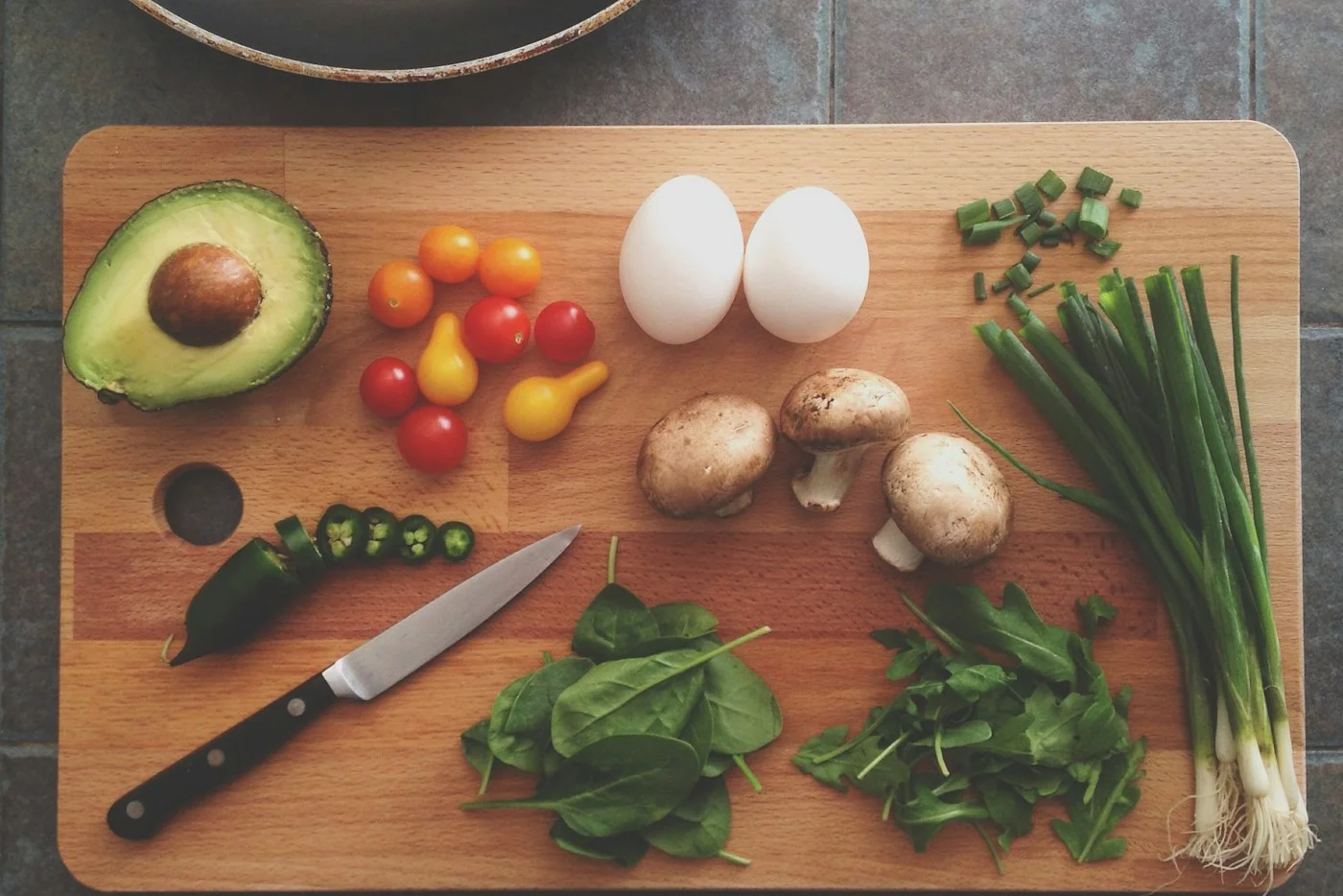
In this guide
A cutting board should make dinner preparation feel steady and spacious. Yet it is easy to choose one for its wood grain, only to discover that it barely fits in the sink or leaves no room for a bowl beside it. Start with the place where you chop and the way you clean up. Those constraints matter more than a fashionable material.
Picture a typical evening: an onion, a pepper, a bunch of herbs and a pan waiting on the stove. A tiny board means moving each ingredient immediately; an oversized board may overwhelm the worktop. The useful middle ground depends on your kitchen, your reach and how much you cook at once.
Make a paper footprint
Mark the proposed board dimensions on paper or a flattened cardboard box. Place it on the counter with a mixing bowl alongside. Open the nearest drawer and check that the arrangement does not interfere with the cooker or sink. Then hold the footprint near your sink and storage spot. This is a surprisingly effective way to avoid a beautiful but inconvenient purchase.
Thickness affects storage as well as weight. If a board lives upright, make sure it has a stable place where it can dry. If it lives in a cupboard, confirm that you can lift it out without moving several pans. A board that is difficult to retrieve is less likely to become your everyday choice.
Material is a maintenance decision
| Option | Why it may suit you | What to investigate |
|---|---|---|
| Wood | Appealing for chopping and serving | Maker's washing, drying and oiling guidance |
| Plastic | Often lighter and available in several colors | Exact dishwasher instructions and surface wear |
| Composite | Potentially slim and simple to store | Heat, cleaning and knife-use limitations |
| Flexible mat | Easy transfer into a pot | Movement on the counter and adequate support |
Do not infer care instructions from material alone. Finishes, adhesives and construction vary. Read the manufacturer's directions for the specific board and decide whether that routine fits your evenings. If regular handwashing and drying will frustrate you, choose accordingly instead of hoping your habits will change.
Keep raw ingredients and ready-to-eat food separate
A practical system is to reserve a separate board for raw meat, poultry or seafood and another for foods that will be eaten without further cooking. Distinct colors or shapes help people identify them quickly. Wash tools and surfaces appropriately between tasks, and follow official food-handling guidance rather than assuming a material prevents contamination.
The FDA advises rinsing produce under running water before preparation and does not recommend washing it with soap. That small routine belongs beside board care: clean hands, suitable utensils and an orderly work area all matter. If a board becomes deeply damaged or no longer cleans properly, replace it instead of relying on its original appearance.
Decide whether grooves and handles help
A juice groove may be useful when carving foods that release liquid, but it reduces the flat chopping area and adds a channel to wash. A handle makes carrying easier while taking away usable surface. Non-slip features can be helpful, although they still need a clean, stable counter beneath them. Consider the feature in the context of your most frequent task.
If you mostly chop vegetables for lunch, a plain rectangle may serve you well. If your board doubles as a serving platter, remember that serving presentation and daily preparation can demand different sizes. You do not have to ask one board to do every job.
Spend on fit; skip the oversized set
Buy the everyday board first, then add a second board for separation when needed. Skip decorative sets that sacrifice useful dimensions. Explore OXO's official catalog and compare listed dimensions with your paper footprint. Check replacement and return policies before choosing a heavy or expensive option.
For a complete but restrained setup, pair the board with our compact kitchen toolkit. If your chopping usually leads to packed lunches, the weekday lunch guide offers a flexible preparation sequence.
Before you buy
Is a larger board always safer? Choose enough working room while keeping the board stable and manageable. Must a serving board also be a chopping board? No; check its intended use. Can a dishwasher simplify care? Only when the exact board is rated for it. The most useful purchase is the one that fits both preparation and cleanup.
Sources & further reading
Sources checked October 11, 2026. Retailer ranges, prices and care instructions can change; confirm details before buying. Photographs illustrate everyday settings and do not imply a pictured product was tested.
Have a correction or a question about this guide? Contact the editorial desk.