Lifestyle Berries
In this guide
In a compact kitchen, the limiting ingredient is often clear counter space. Preparing a vegetable pasta while a kettle, dish rack and oversized appliance compete for the same corner can make an easy meal feel complicated. The answer is usually a smaller collection of tools that are pleasant to use and easy to put away.
Before shopping, make one dinner and leave every tool you used on a towel after washing it. Repeat with breakfast and a packed lunch. This little audit gives you an honest starter kit. It also reveals duplicates, such as three stirring spoons that do the same job while there is no comfortable colander.
Begin with preparation, cooking and cleanup
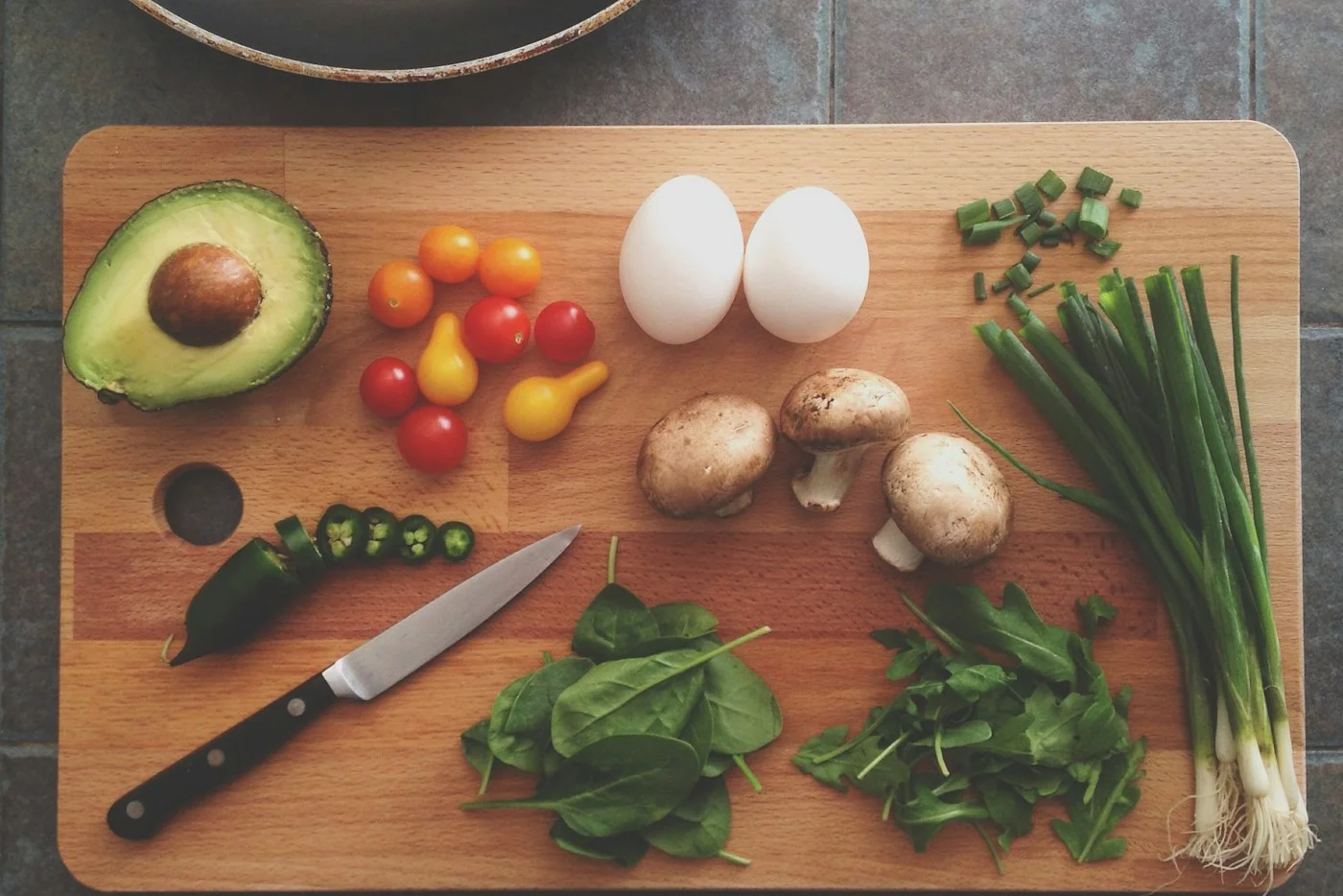
For preparation, prioritize a stable cutting board, a knife you can control, a peeler if you regularly peel produce, and a bowl large enough to toss ingredients without scattering them. For cooking, start with the pan and pot you actually reach for, plus suitable utensils for their surfaces. Cleanup deserves equal attention: a brush, drying space and somewhere to put wet cloths make the whole setup easier to maintain.
There is no universal minimum number of tools. A household that makes bread needs different equipment from one that mostly cooks rice bowls. Treat any essential list as a prompt to examine your meals, rather than a rule that requires another purchase.
Compare designs against your storage
| Tool style | Good reason to choose it | Possible frustration |
|---|---|---|
| Nesting bowls | Several preparation sizes in one stack | Unstacking them while cooking |
| Flat grater | Fits a narrow drawer | Needs a bowl or board underneath |
| Folding colander | Shallow storage space | Hinges and creases to clean |
| Multipurpose tongs | Serving and turning with one tool | Bulky locking ends in a short drawer |
Measure the inside of the drawer, not just its front. Handles and locking mechanisms often add unexpected length. Check whether a hanging hole is useful in your kitchen or merely decorative. A wall rail can free a drawer, but first consider your rental rules, wall material and distance from cooking splashes.
Use a one-week audition for tempting gadgets
Write down the task a new gadget promises to solve. Count how often you do that task during an ordinary week. Then ask whether an existing tool does it comfortably enough. A dedicated slicer may earn its place when you prepare the same ingredient daily; it may become clutter if the attraction is a single recipe video.
Cleaning is part of the audition. Read the care directions, consider the number of small pieces, and think about where they will dry. A gadget that saves thirty seconds while adding a fiddly wash can be a poor trade for your particular routine. Look for replacement parts when a single seal or blade is critical.
Create one clear preparation zone
Choose a section of counter where the board can sit securely and keep the nearest drawer for everyday tools. Put occasional baking equipment farther away. Use a tray or shallow divider to stop tiny items migrating; you do not need a custom organizer for every object. Leave enough room to return a tool with one hand.
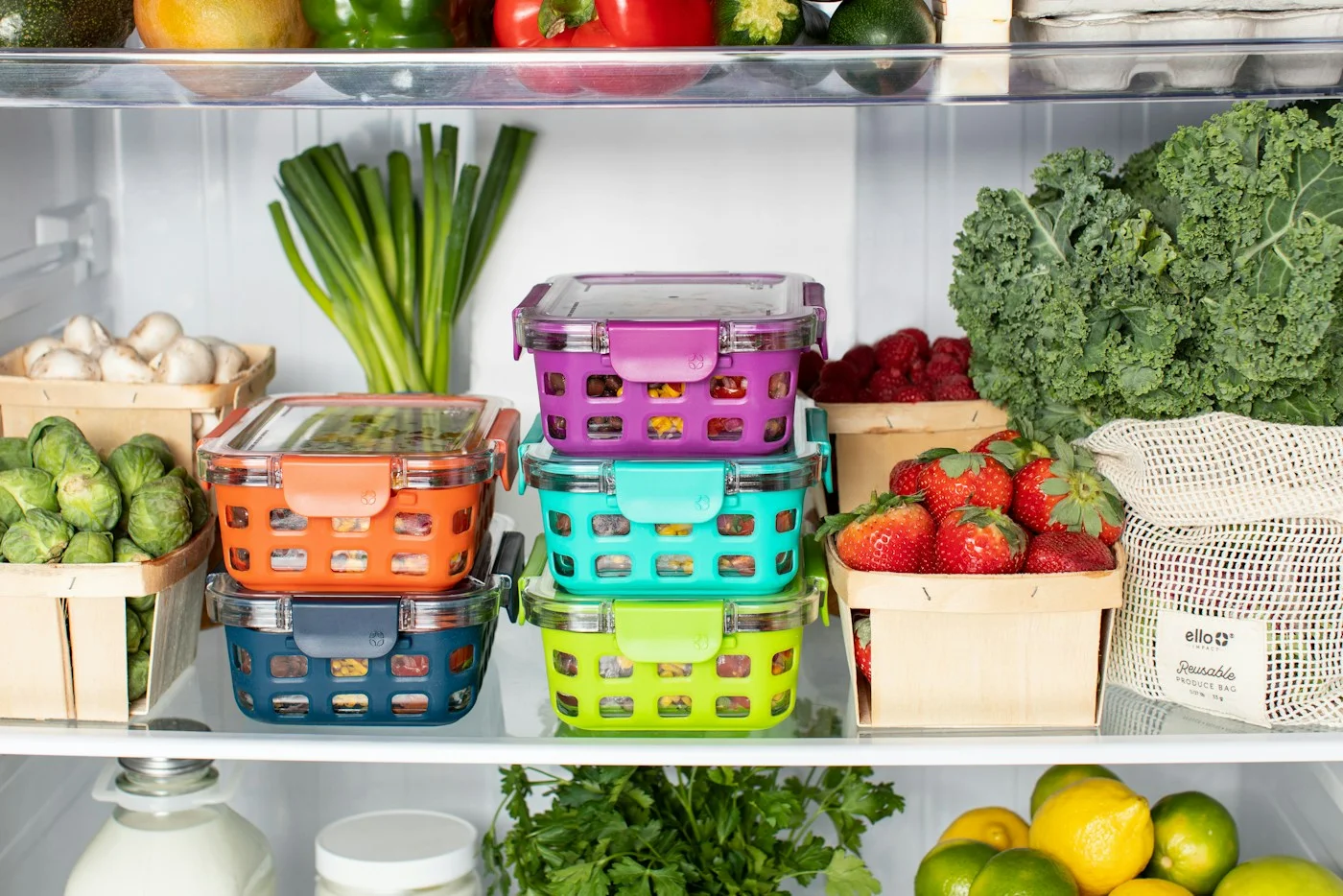
A cutting board chosen for your sink and counter can improve this zone more than another appliance. Finish by deciding where lunches will be packed: our glass container buying guide explains how to size a small collection.
Spend on the tool you hold most often
Comfortable handles, a stable base and readable measurements are sensible places to spend. Skip coordinating colors if they require replacing useful equipment. Avoid buying a huge utensil bundle just to obtain two pieces. You can explore OXO's official tool catalog for individual options, then compare dimensions, materials and care requirements with another retailer.
Check return conditions before ordering an expensive tool whose grip matters. Hands differ, and photographs cannot show whether a handle feels awkward. A modest tool that you use comfortably every day can be a better purchase than a premium object you avoid.
Common small-kitchen questions
Should everything fold? Only if the saved space outweighs cleaning and durability concerns. Are wall-mounted tools practical? They can be, when installation is suitable and you do not mind exposed utensils. What should go first? Remove duplicate tools you never choose, then reconsider the space before shopping for organizers.
Sources & further reading
Sources checked October 11, 2026. Retailer ranges, prices and care instructions can change; confirm details before buying. Photographs illustrate everyday settings and do not imply a pictured product was tested.
Have a correction or a question about this guide? Contact the editorial desk.