Lifestyle Berries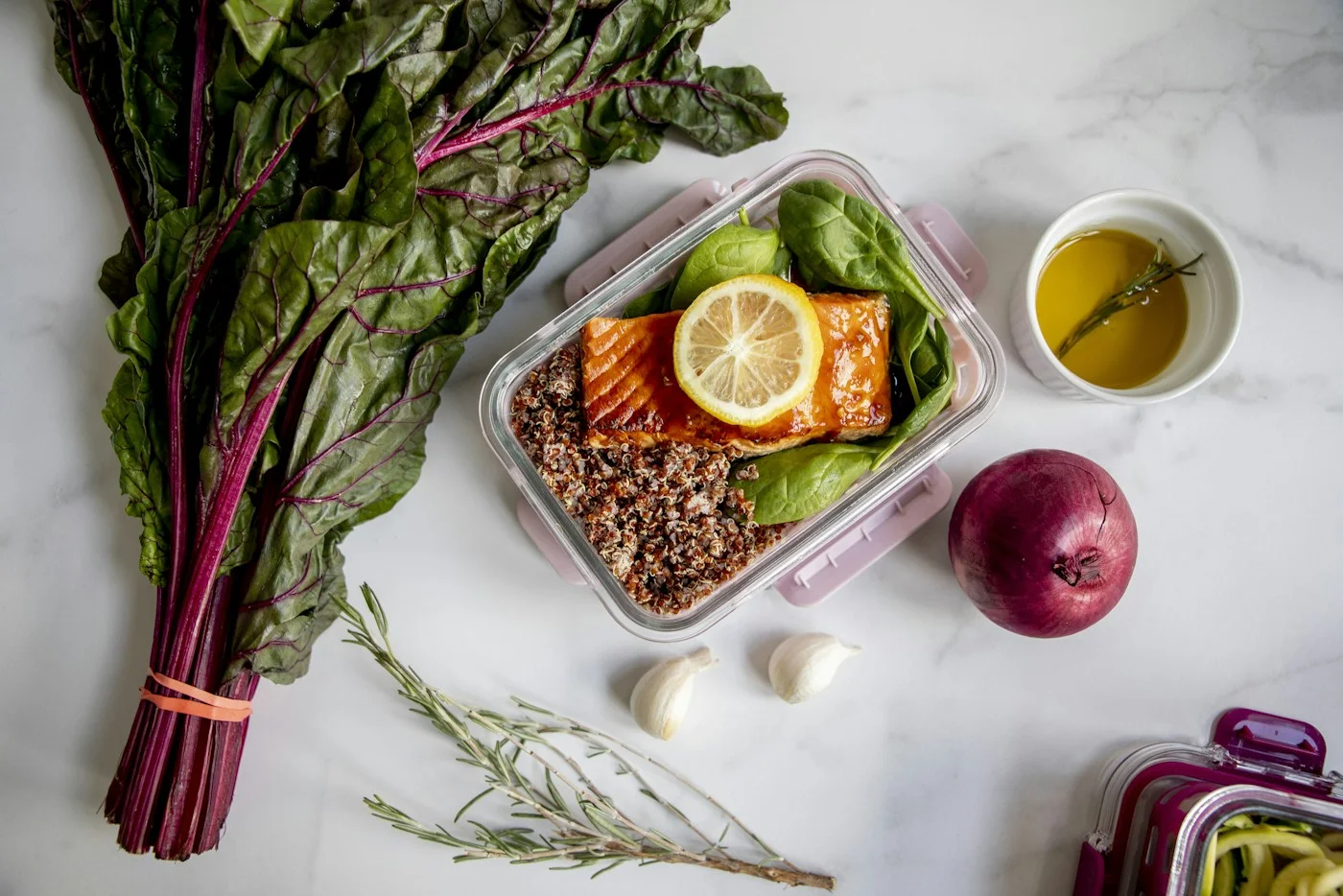
In this guide
Sunday cooking can look wonderfully organized until Wednesday arrives and every remaining container holds a different lid. A useful meal-prep setup begins with the meals you actually carry, reheat and wash. Glass can be a good choice for home lunches and leftovers, but a large matching set is not automatically the right purchase.
Start with three ordinary days. Note whether lunch is soup, a layered salad or dinner leftovers, whether you walk to work, and whether there is a refrigerator when you arrive. Those details tell you more than a photograph of twenty identical boxes. This guide is a buying framework, rather than a claim that we have tested every container.
Measure the shelf before choosing a set
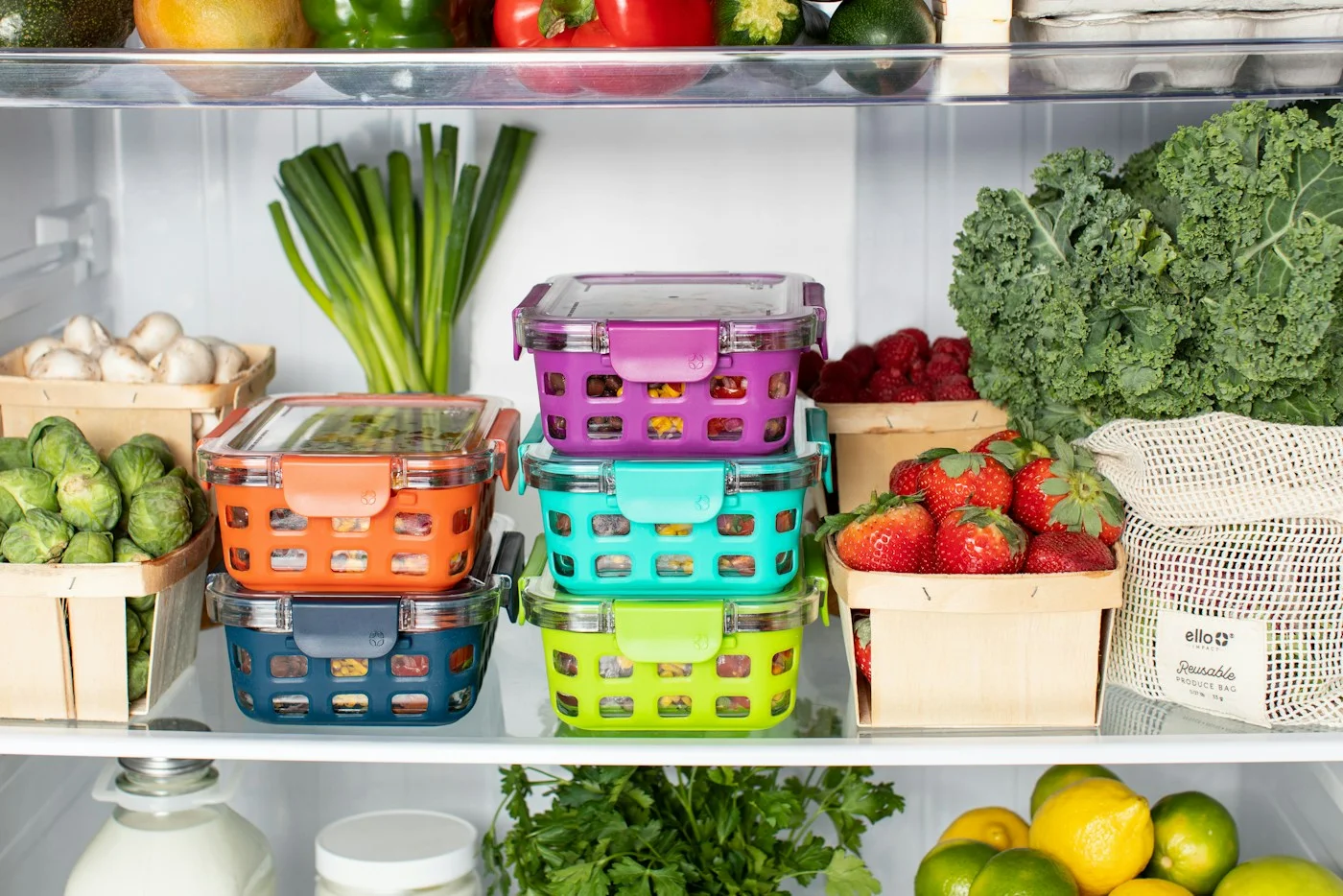
Take a tape measure to the refrigerator shelf, including the space lost to its door. Then measure the shelf or drawer where clean containers will live. Rectangular boxes often make a tidy row, while a round container may fit your favorite portion of soup more naturally. Nesting saves storage space only when the shapes truly nest; lids still need their own home.
Try packing a typical lunch in a bowl you already own. That is a useful volume reference. Leave room for stirring if you reheat food in the same dish. A container that technically fits dinner but spills when you add dressing has not solved the problem.
Choose each piece for a job
| Routine | Useful starting choice | Tradeoff to check |
|---|---|---|
| Lunch at a desk | One medium rectangular box | Weight in a walking commute |
| Soup or curry | Deep box with secure lid | Seal cleaning and spill resistance |
| Shared dinner leftovers | One larger shallow dish | Space in a crowded refrigerator |
| Sauces and toppings | Separate small pots | Extra washing and loose lids |
A sensible first purchase might be two lunch boxes and one larger leftover dish. Use them for a fortnight before adding more. Buying replacements in the same range can simplify lids, but check whether the manufacturer sells individual pieces; some sets make replacement surprisingly awkward.
Read the instructions for the lid as well as the base
Glass does not make a whole container suitable for every temperature or appliance. Check the exact product's microwave, freezer, oven and dishwasher directions. Follow instructions about venting, removing lids and temperature changes. Do not assume that a plastic lid shares the base's heat tolerance. A clear care label is more valuable than a long list of vague promises.
Look at the gasket. Can you remove it without a special tool? Will you remember to dry the groove? If handwashing an intricate seal feels unrealistic on a busy evening, choose a simpler design for foods that do not need a travel seal. Inspect glass for chips and cracks and retire damaged pieces.
Build a routine around the boxes
Place a small roll of removable labels beside the containers. Write what is inside and when it was cooked, then put food you plan to eat first at the front. A box is not a substitute for safe storage: FoodSafety.gov lists refrigerated cooked meat or poultry leftovers at three to four days, with the refrigerator at 40°F (4°C) or below. Check its chart for the particular food, rather than using one deadline for everything.
Keep dressings or crisp toppings separate if you prefer their texture that way. Plan freezer portions when you know later-week meals will not be eaten promptly. For ideas that fit this system, see our weekday lunch building guide and the berry freezer routine.
Where to spend, and what to skip
Spend on a comfortable size, a manageable lid and a shape you can replace. Skip a giant bundle bought mainly for its piece count: lids often count as pieces. You can explore OXO's food storage range to compare dimensions and care instructions. This is a direct research link; confirm current details before buying.
Questions before checkout
Is glass better for every commute? Not necessarily. A lighter container can be more comfortable if you walk far or carry several meals. Do I need compartments? Only if separation matters to your meals; small removable pots offer more flexibility. Should I replace every old box? Keep intact, suitable containers that already work. Start by replacing the one that causes a recurring problem.
Sources & further reading
Sources checked October 11, 2026. Retailer ranges, prices and care instructions can change; confirm details before buying. Photographs illustrate everyday settings and do not imply a pictured product was tested.
Have a correction or a question about this guide? Contact the editorial desk.