Lifestyle Berries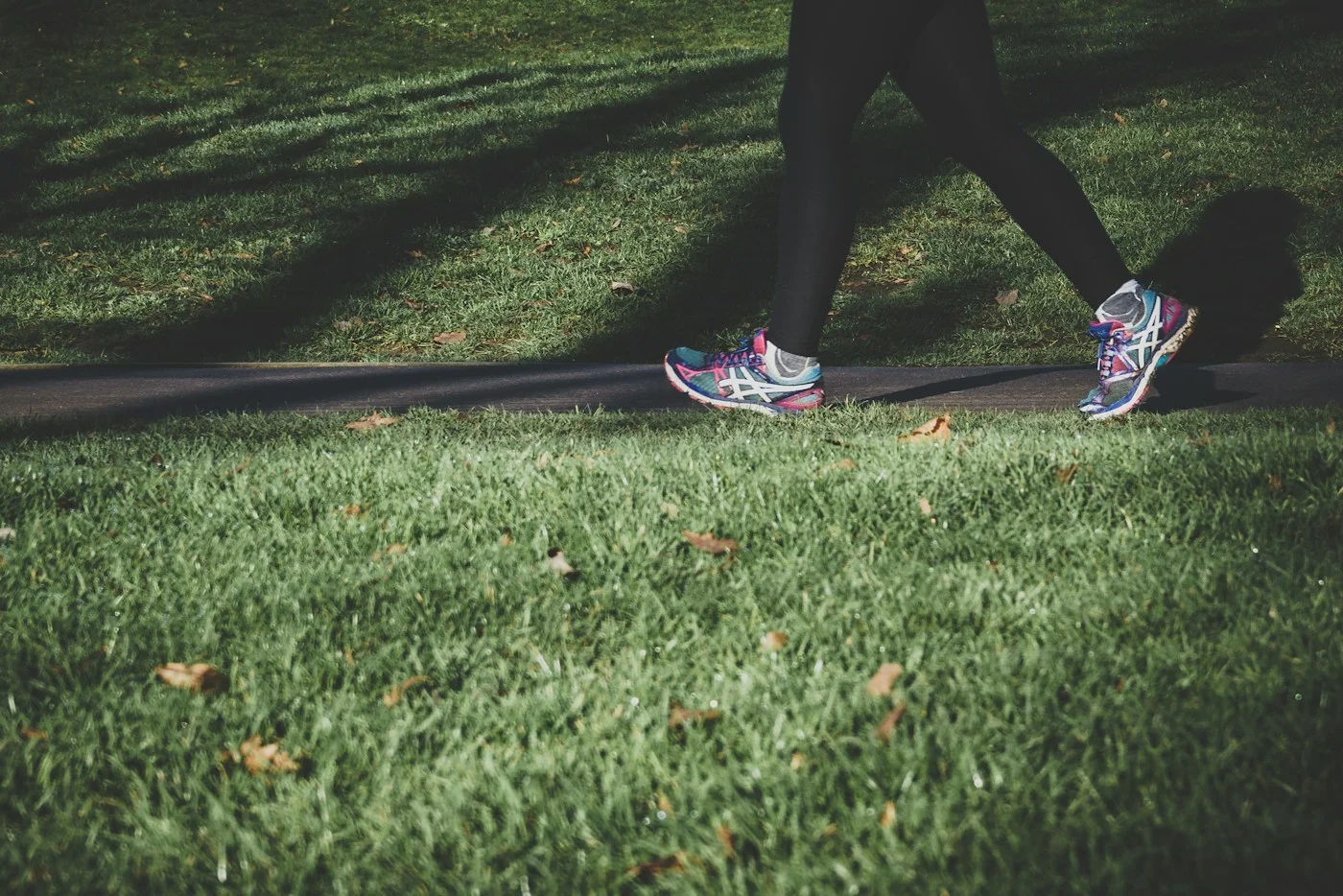
In this guide
The gap between finishing lunch and starting the next task is often just long enough for a walk around the block. That makes it a useful place to begin: a familiar route, an easy return home and no special journey to a gym. You can work out what makes the walk comfortable before buying equipment for an imagined future routine.
Design the walk around your real day
Choose a route with a clear turnaround point and note the practical details: pavement condition, road crossings, shade and places to pause. A short route you can repeat comfortably is more useful than an ambitious one that depends on perfect weather. Put a jacket and shoes near the door so leaving does not become a search through cupboards.
The CDC notes that activity can be divided into smaller chunks during the week and that intensity feels different for different people. Start at a pace and duration appropriate to you. If a health condition affects activity, discuss changes with your clinician rather than relying on a gear guide for an exercise prescription.
Give shoe fit the most attention
Try shoes with the socks you expect to wear. Walk around, turn corners and notice whether your heel slips or the front feels cramped. Check both feet; a comfortable first impression matters more than choosing the model with the longest list of technologies. Online shopping makes a clear indoor try-on and return policy particularly valuable.
Compare the outsole with your usual surface. A light everyday shoe may suit paved errands, while a rough, muddy route calls for a different grip and cleaning routine. Waterproof construction has a place in wet conditions, but consider how the shoe feels during warmer walks and how slowly it dries after moisture gets inside.
| Typical walk | Useful feature | Question before buying |
|---|---|---|
| Paved neighborhood loop | Comfortable flexible everyday shoe | Does it stay comfortable when turning and stopping? |
| Errands in changeable weather | Packable outer layer | Will it fit over your normal clothes? |
| Uneven park paths | Suitable outsole grip | Can you clean mud from the tread? |
| Longer outing with essentials | Small adjustable bag | Does it bounce or rub when full? |
Add accessories only after a few outings
A phone, keys and whatever water you need may be all you carry. Test your existing pockets before buying a belt bag. If keys keep swinging against your leg, look for a compact compartment rather than a much larger bag. Adjustable straps should have enough range to fit over both a shirt and your colder-weather layer.
For dark conditions, plan a visible route and compare reflective accessories alongside appropriate lighting. Check local conditions and crossing safety; a reflective label does not make every road suitable for walking. In daylight, a brimmed hat may be useful, but try it with your hairstyle and check whether it stays put in a breeze.
A simple week of preparation
- Choose one nearby route and an alternative for poor weather.
- Wear what you already own and record any rubbing, slipping or awkward pockets.
- Change one troublesome item rather than replacing everything.
- Leave the cleaned shoes and any small essentials in a consistent place.
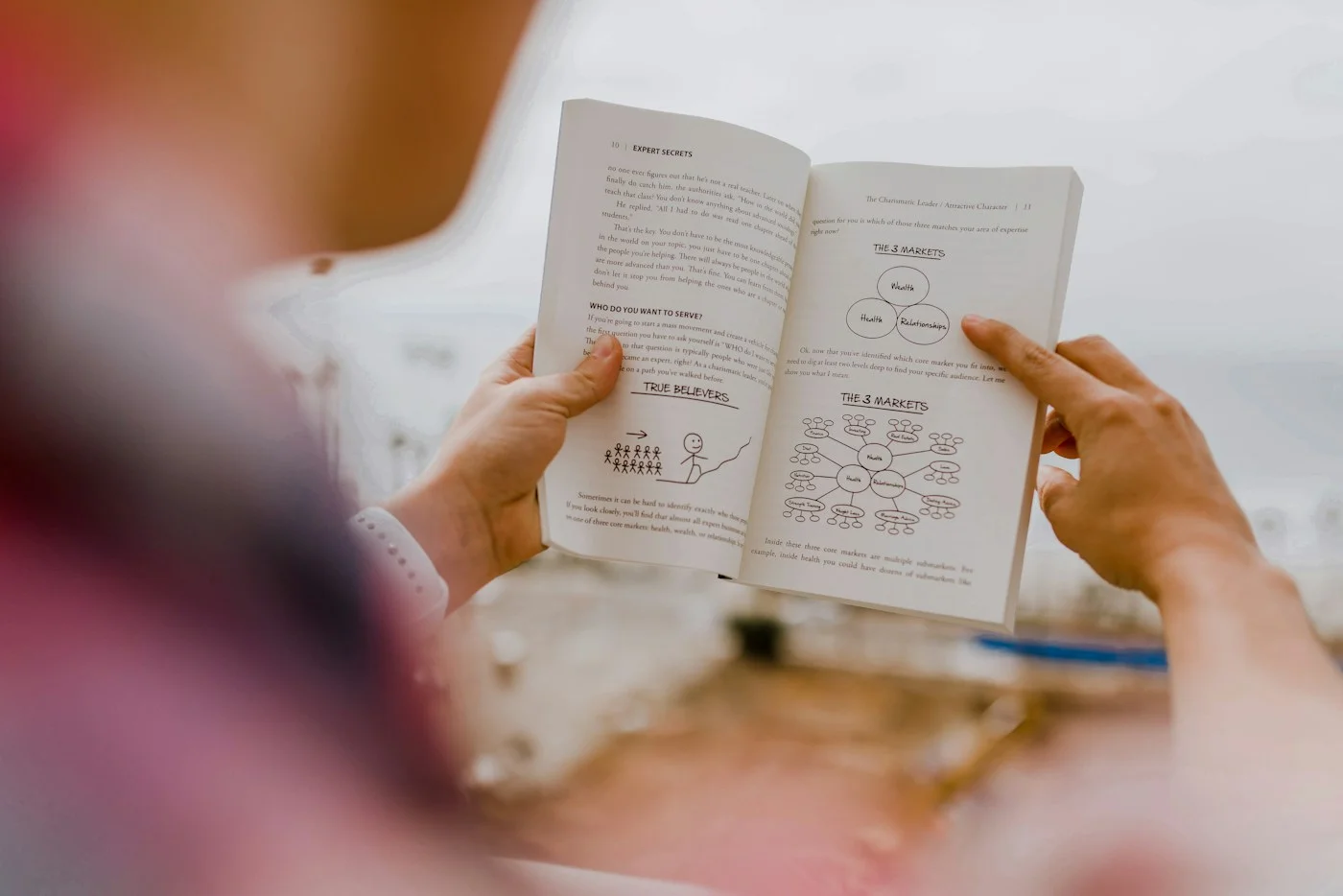
Our small entryway storage guide can help keep the departure area usable. If a quiet pause at home fits your day better on some afternoons, the reading corner guide offers another low-equipment routine.
Spend and skip
Spend time on fit and money on replacing a specific uncomfortable item. Skip the activity tracker if checking numbers makes a pleasant walk feel like another assignment. A watch or familiar landmark can help you manage time without a subscription. If you enjoy tracking, compare whether the device works with your phone and what remains available without paid features.
Questions before checkout
Do walking shoes need to be a specialist model?
Not necessarily. Your route, comfort and fit should lead the decision. Avoid buying a shoe solely because someone with a different foot shape recommends it.
Should I carry more to be prepared?
Carry what the route, weather and your needs justify. An overloaded bag can make a short outing awkward. Review the contents after a few walks and leave unnecessary items at home.
Sources & further reading
Sources checked October 11, 2026. Retailer ranges, prices and care instructions can change; confirm details before buying. Photographs illustrate everyday settings and do not imply a pictured product was tested.
Have a correction or a question about this guide? Contact the editorial desk.